Categories
Uncategorized

crazy time big win

In effetti, il premio più grande mai vinto su Crazy Time è stato di oltre 1 milione di dollari.

Crazy Time è un gioco online che offre ai giocatori la possibilità di vincere grandi premi. Il gioco presenta una ruota con quattro crazy time sezioni, ognuna delle quali include un premio diverso. La sezione in cui cade la pallina determina il premio che il giocatore vince. I premi di Crazy Time sono spesso di grande valore e molti giocatori hanno vinto ottimi jackpot.

Categories
Uncategorized

tests

Social Phobia Social Anxiety Disorder

DEVELOPING HEALTHY MINDS

Categories
Uncategorized

Better Communication In Relationships

Better Communication In Relationships

DEVELOPING HEALTHY MINDS

Better Communication In Relationships

A large portion of our lives is spent communicating with others. Sharing your thoughts and understanding another person’s feelings are essential skills for functioning in any society in the world. It is no surprise then that difficulty with communication is the Number 1 issue that brings people to couples counseling, and is at the core of many other things that we struggle with.

Communication Problems

The way we encode and decode messages is based on how we learned to communicate in earlier stages of life. Without getting overly complicated about it, all words are really just symbols that represent certain things, and every person can have a slightly different understanding even at the individual word level. Furthermore, the actual number of words we know and complexity of language changes with more experience, and the ways we code and decode messages are determined by our culture, family patterns, and other experiences. Communication problems can then emerge at every step of the above model because no two people have had exactly same life experiences that shape communication patterns.

Sender Problems: The most common problem that we can make as message senders is coding our thought, feeling or need in a way that has a low chance of being understood by the receiver. Consider how you might code the message of feeling hungry differently to a 3 year old, someone who doesn’t speak the same language as you, and your best friend. Those should look and sound completely different. Thus, choosing the best way to code a message is important to make sure the receiver gets a good understanding.

Another common problem is that sometimes our thoughts, feelings, or ideas are extremely complex, and we may not even have a good sense of them ourselves. Thus, sending messages outward about things we don’t understand well within ourselves also has a low likelihood of being understood by the receiver.

Receiver Problems: The biggest problem that happens when we receive messages is in decoding things inaccurately, which can be caused by 1) not really attending to the sender, 2) not having the skills necessary to decode the message, or 3) adding your our own meaning to the message that was not really intended by the sender. For the first, if you don’t really pay attention completely to the message (including the nonverbal aspects), you can miss critical elements of it, and then have a misunderstanding. For the second, if you don’t know certain words or the message is too complex, then there is a low chance of really understanding it.

For the third, we can automatically add things to the message that make us miss what was intended. From the earlier example, suppose Person A is truly just hungry, but Person B was late making dinner and decodes the message as criticism and takes offense. There would likely be a conflict after that, and it would be due to a misinterpretation from the receiver (and also a poor reading of the context from the sender). Think about how much this happens in text and emails.

How To Communicate Better

So how can we get better at communicating based on all of this? I don’t think we need to learn a bunch of tricky ways to phrase things, or subscribe to rules like using “I Statements” or any of that. Instead, we just need to have better awareness of how messy communicating is, and being more thoughtful about sending and receiving messages.

1. Be Aware of your own communication errors. We are all susceptible to sending confusing messages and to missing the boat in terms of what someone else was trying to tell us. When we are aware that all of us can make all of the communication mistakes in this article, we can adjust how we send and receive messages.

2. Choose your words (and actions) wisely based on who the receiver is. As much as we would love for our partners, parents, and employers to just automatically be able to know what our needs and feelings are, or interpret all of our questions and comments with complete accuracy, they can’t. We can become better senders by thinking about how the specific person at this specific time would be receive a message, and then deliver it in that form.

3. Check in with the sender when you are decoding messages to make sure you have the right understanding. After hearing something, especially if it strikes you strangely, ask the sender if you are hearing it correctly instead of trusting your interpretation completely. Think about how many arguments can be prevented with just that one!

Counseling can be a great option to understand more about your interpersonal style, and how to communicate better.

Categories
Uncategorized

Anxiety Disorder

Anxiety Disorder

DEVELOPING HEALTHY MINDS

What is Anxiety Disorder?

Anxiety is a normal reaction to stress and can actually be beneficial in some situations. For some people, however, anxiety can become excessive. While the person suffering may realize their anxiety is too much, they may also have difficulty controlling it and it may negatively affect their day-to-day living. There are a wide variety of anxiety disorders, including post-traumatic stress disorder, obsessive-compulsive disorder, and panic disorder to name a few. Collectively, they are among the most common mental disorders experienced.

Signs & Symptoms

Unlike the relatively mild, brief anxiety caused by a stressful event (such as speaking in public or a first date), anxiety disorders last at least 6 months and can get worse if they are not treated. Each anxiety disorder has different symptoms, but all the symptoms cluster around excessive, irrational fear and dread.

Anxiety disorders commonly occur along with other mental or physical illnesses, including alcohol or substance abuse, which may mask anxiety symptoms or make them worse. In some cases, these other illnesses need to be treated before a person will respond to treatment for the anxiety disorder.

Effective therapies for anxiety disorders are available, and research is uncovering new treatments that can help most people with anxiety disorders lead productive, fulfilling lives. If you think you have an anxiety disorder, you should seek information and treatment right away.

Categories
Uncategorized

Attention Deficit Hyperactivity Disorder (ADHD, ADD)

Attention deficit hyperactivity disorder (ADHD)

DEVELOPING HEALTHY MINDS

What is Attention Deficit Hyperactivity Disorder (ADHD, ADD)?

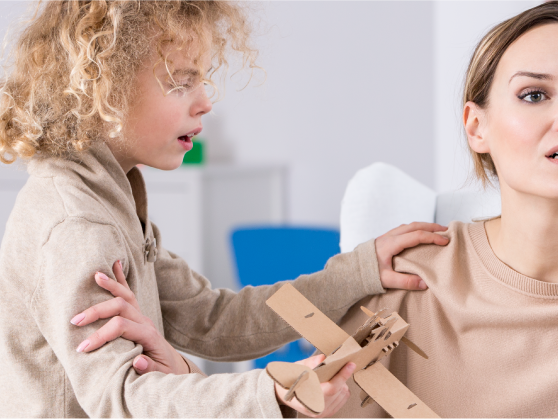
Attention deficit hyperactivity disorder (ADHD) is one of the most common childhood disorders and can continue through adolescence and adulthood. Symptoms include difficulty staying focused and paying attention, difficulty controlling behavior, and hyperactivity (over-activity).

Signs & Symptoms

Inattention, hyperactivity, and impulsivity are the key behaviors of ADHD. It is normal for all children to be inattentive, hyperactive, or impulsive sometimes, but for children with ADHD, these behaviors are more severe and occur more often. To be diagnosed with the disorder, a child must have symptoms for 6 or more months and to a degree that is greater than other children of the same age.

Children who have symptoms of inattention may:

·      Be easily distracted, miss details, forget things, and frequently switch from one activity to another

·      Have difficulty focusing on one thing

·      Become bored with a task after only a few minutes, unless they are doing something enjoyable

·      Have difficulty focusing attention on organizing and completing a task or learning something new

·      Have trouble completing or turning in homework assignments, often losing things (e.g., pencils, toys, assignments) needed to complete tasks or activities

·      Not seem to listen when spoken to

·      Daydream, become easily confused, and move slowly

·      Have difficulty processing information as quickly and accurately as others

·      Struggle to follow instructions.

Children who have symptoms of hyperactivity may:

·      Fidget and squirm in their seats

·      Talk nonstop

·      Dash around, touching or playing with anything and everything in sight

·      Have trouble sitting still during dinner, school, and story time

·      Be constantly in motion

·      Have difficulty doing quiet tasks or activities.

Children who have symptoms of impulsivity may:

·      Be very impatient

·      Blurt out inappropriate comments, show their emotions without restraint, and act without regard for consequences

·      Have difficulty waiting for things they want or waiting their turns in games

·      Often interrupt conversations or others’ activities.

Categories
Uncategorized

Eating Disorders

Eating Disorder

DEVELOPING HEALTHY MINDS

What are Eating Disorders?

An eating disorder is an illness that causes serious disturbances to your everyday diet, such as eating extremely small amounts of food or severely overeating. A person with an eating disorder may have started out just eating smaller or larger amounts of food, but at some point, the urge to eat less or more spiraled out of control. Severe distress or concern about body weight or shape may also signal an eating disorder. Common eating disorders include anorexia nervosa, bulimia nervosa, and binge-eating disorder.

Signs & Symptoms

Anorexia nervosa

Many people with anorexia nervosa see themselves as overweight, even when they are clearly underweight. Eating, food, and weight control become obsessions. People with anorexia nervosa typically weigh themselves repeatedly, portion food carefully, and eat very small quantities of only certain foods. Some people with anorexia nervosa may also engage in binge-eating followed by extreme dieting, excessive exercise, self-induced vomiting, and/or misuse of laxatives, diuretics, or enemas.

Some who have anorexia nervosa recover with treatment after only one episode. Others get well but have relapses. Still others have a more chronic, or long-lasting, form of anorexia nervosa, in which their health declines as they battle the illness.

Anorexia nervosa displays the following symptoms:

·      Extreme thinness (emaciation)

·      A relentless pursuit of thinness and unwillingness to maintain a normal or healthy weight

·      Intense fear of gaining weight

·      Distorted body image, a self-esteem that is heavily influenced by perceptions of body weight and shape, or a denial of the seriousness of low body weight

·      Lack of menstruation among girls and women

·      Extremely restricted eating.

Other symptoms may develop over time, including:

·      Thinning of the bones (osteopenia or osteoporosis)

·      Brittle hair and nails

·      Dry and yellowish skin

·      Growth of fine hair all over the body (lanugo)

·      Mild anemia and muscle wasting and weakness

·      Severe constipation

·      Low blood pressure, slowed breathing and pulse

·      Damage to the structure and function of the heart

·      Brain damage

·      Multiorgan failure

·      Drop in internal body temperature, causing a person to feel cold all the time

·      Lethargy, sluggishness, or feeling tired all the time

·      Infertility.

Bulimia nervosa

Patients with bulimia nervosa have recurrent and frequent episodes of eating unusually large amounts of food and feeling a lack of control over these episodes. This binge-eating is followed by behavior that compensates for the overeating such as forced vomiting, excessive use of laxatives or diuretics, fasting, excessive exercise, or a combination of these behaviors.

Unlike anorexia nervosa, people with bulimia nervosa usually maintain what is considered a healthy or normal weight, while some are slightly overweight. But like people with anorexia nervosa, they often fear gaining weight, want desperately to lose weight, and are intensely unhappy with their body size and shape. Usually, bulimic behavior is done secretly because it is often accompanied by feelings of disgust or shame. The binge-eating and purging cycle happens anywhere from several times a week to many times a day.

Other symptoms include:

·      Chronically inflamed and sore throat

·      Swollen salivary glands in the neck and jaw area

·      Worn tooth enamel, increasingly sensitive and decaying teeth as a result of exposure to stomach acid

·      Acid reflux disorder and other gastrointestinal problems

·      Intestinal distress and irritation from laxative abuse

·      Severe dehydration from purging of fluids

·      Electrolyte imbalance (too low or too high levels of sodium, calcium, potassium and other minerals) which can lead to heart attack.

Binge-eating disorder

With binge-eating disorder a person loses control over his or her eating. Unlike bulimia nervosa, periods of binge-eating are not followed by purging, excessive exercise, or fasting. As a result, people with binge-eating disorder often are over-weight or obese. People with binge-eating disorder who are obese are at higher risk for developing cardiovascular disease and high blood pressure. They also experience guilt, shame, and distress about their binge-eating, which can lead to more binge-eating.


Treatment

Please contact us to book an appointment.

Categories
Uncategorized

Suicide-Prevention

Suicide-Prevention

DEVELOPING HEALTHY MINDS

Introduction

Suicide is a major public health concern. More than twice as many people die by suicide each year than by homicide . Suicide is tragic. But it is often preventable. Knowing the risk factors for suicide and who is at risk can help reduce the suicide rate.

Who is at risk for suicide?

Suicide does not discriminate. People of all genders, ages, and ethnicities can be at risk for suicide. But people most at risk tend to share certain characteristics. The main risk factors for suicide are:

·      Depression, other mental disorders, or substance abuse disorder

·      A prior suicide attempt

·      Family history of a mental disorder or substance abuse

·      Family history of suicide

·      Family violence, including physical or sexual abuse

·      Having guns or other firearms in the home

·      Incarceration, being in prison or jail

·      Being exposed to others’ suicidal behavior, such as that of family members, peers, or media figures

The risk for suicidal behavior is complex. Research suggests that people who attempt suicide differ from others in many aspects of how they think, react to events, and make decisions. There are differences in aspects of memory, attention, planning, and emotion, for example. These differences often occur along with disorders like depression, substance use, anxiety, and psychosis. Sometimes suicidal behavior is triggered by events such as personal loss or violence.

In order to be able to detect those at risk and prevent suicide, it is crucial that we understand the role of both long-term factors—such as experiences in childhood—and more immediate factors like mental health and recent life events. Researchers are also looking at how genes can either increase risk or make someone more resilient to loss and hardships.

Many people have some of these risk factors but do not attempt suicide. Suicide is not a normal response to stress. It is however, a sign of extreme distress, not a harmless bid for attention.

How can suicide be prevented?

Effective suicide prevention is based on sound research. Programs that work take into account people’s risk factors and promote interventions that are appropriate to specific groups of people. For example, research has shown that mental and substance abuse disorders are risk factors for suicide. Therefore, many programs focus on treating these disorders in addition to addressing suicide risk specifically.

Psychotherapy, or “talk therapy,” can effectively reduce suicide risk. One type is called cognitive behavioral therapy (CBT). CBT can help people learn new ways of dealing with stressful experiences by training them to consider alternative actions when thoughts of suicide arise.

Another type of psychotherapy called dialectical behavior therapy (DBT) has been shown to reduce the rate of suicide among people with borderline personality disorder, a serious mental illness characterized by unstable moods, relationships, self-image, and behavior. A therapist trained in DBT helps a person recognize when his or her feelings or actions are disruptive or unhealthy, and teaches the skills needed to deal better with upsetting situations.

Medications may also help; promising medications and psychosocial treatments for suicidal people are being tested.

What should I do if someone I know is considering suicide?

If you know someone who may be considering suicide, do not leave him or her alone. Call us immediately. Or try to get your loved one to seek immediate help from a doctor or the nearest hospital emergency room. Remove access to firearms or other potential tools for suicide, including medications.

Categories
Uncategorized

Post-traumatic Stress Disorder (PTSD)

Post-traumatic Stress Disorder (PTSD)

DEVELOPING HEALTHY MINDS

What is Post-traumatic Stress Disorder (PTSD)?

When in danger, it’s natural to feel afraid. This fear triggers many split-second changes in the body to prepare to defend against the danger or to avoid it. This “fight-or-flight” response is a healthy reaction meant to protect a person from harm. But in post-traumatic stress disorder (PTSD), this reaction is changed or damaged. People who have PTSD may feel stressed or frightened even when they’re no longer in danger.

PTSD develops after a terrifying ordeal that involved physical harm or the threat of physical harm. The person who develops PTSD may have been the one who was harmed, the harm may have happened to a loved one, or the person may have witnessed a harmful event that happened to loved ones or strangers.

PTSD was first brought to public attention in relation to war veterans, but it can result from a variety of traumatic incidents, such as mugging, rape, torture, being kidnapped or held captive, child abuse, car accidents, train wrecks, plane crashes, bombings, or natural disasters such as floods or earthquakes.

Signs & Symptoms

PTSD can cause many symptoms. These symptoms can be grouped into three categories:

1. Re-experiencing symptoms

·      Flashbacks—reliving the trauma over and over, including physical symptoms like a racing heart or sweating

·      Bad dreams

·      Frightening thoughts.

Re-experiencing symptoms may cause problems in a person’s everyday routine. They can start from the person’s own thoughts and feelings. Words, objects, or situations that are reminders of the event can also trigger re-experiencing.

2. Avoidance symptoms

·      Staying away from places, events, or objects that are reminders of the experience

·      Feeling emotionally numb

·      Feeling strong guilt, depression, or worry

·      Losing interest in activities that were enjoyable in the past

·      Having trouble remembering the dangerous event.

Things that remind a person of the traumatic event can trigger avoidance symptoms. These symptoms may cause a person to change his or her personal routine. For example, after a bad car accident, a person who usually drives may avoid driving or riding in a car.

3. Hyperarousal symptoms

·      Being easily startled

·      Feeling tense or “on edge”

·      Having difficulty sleeping, and/or having angry outbursts.

Hyperarousal symptoms are usually constant, instead of being triggered by things that remind one of the traumatic event. They can make the person feel stressed and angry. These symptoms may make it hard to do daily tasks, such as sleeping, eating, or concentrating.

It’s natural to have some of these symptoms after a dangerous event. Sometimes people have very serious symptoms that go away after a few weeks. This is called acute stress disorder, or ASD. When the symptoms last more than a few weeks and become an ongoing problem, they might be PTSD. Some people with PTSD don’t show any symptoms for weeks or months.

Categories
Uncategorized

Schizophrenia

Categories
Uncategorized

Social Phobia Social Anxiety Disorder

Social Phobia Social Anxiety Disorder

DEVELOPING HEALTHY MINDS

What is Social Phobia (Social Anxiety Disorder)?

Social phobia is a strong fear of being judged by others and of being embarrassed. This fear can be so strong that it gets in the way of going to work or school or doing other everyday things.

Everyone has felt anxious or embarrassed at one time or another. For example, meeting new people or giving a public speech can make anyone nervous. But people with social phobia worry about these and other things for weeks before they happen.

People with social phobia are afraid of doing common things in front of other people. For example, they might be afraid to sign a check in front of a cashier at the grocery store, or they might be afraid to eat or drink in front of other people, or use a public restroom. Most people who have social phobia know that they shouldn’t be as afraid as they are, but they can’t control their fear. Sometimes, they end up staying away from places or events where they think they might have to do something that will embarrass them. For some people, social phobia is a problem only in certain situations, while others have symptoms in almost any social situation.

Signs & Symptoms

People with social phobia tend to:

Be very anxious about being with other people and have a hard time talking to them, even though they wish they could

·      Be very self-conscious in front of other people and feel embarrassed

·      Be very afraid that other people will judge them

·      Worry for days or weeks before an event where other people will be

·      Stay away from places where there are other people

·      Have a hard time making friends and keeping friends

·      Blush, sweat, or tremble around other people

·      Feel nauseous or sick to their stomach when with other people.

RESIDENTIAL GUARDS
Owners of homes in a particular street may pool their resources to request the services of residential street security patrols either at night or during the day or both If you are hosting an event, you may require residential street security patrols for the evening to ensure the safety of cars and guests. residential security are mainly utilized by housing complexes/housing estates as well as boomed-off residential areas.
COMMERCIAL GUARDS
We provide quality and customized commercial property security services for office buildings and hotels We recognize that employee, client, and visitor safety is paramount to the success of your operation. That’s why our security guards meet a superior standard of alertness and proficiency that guarantees a level of defense that will preserve your commercial success.
INDUSTRIAL GUARDS
Guarding and patrol your premises to prevent and detect signs of intrusion and ensure the security of doors, windows, and gates. They monitor and authorize the entrance and departure of employees, visitors, and all other persons to guard against theft and maintain the overall security of your premises. Additionally, they use detecting devices to screen individuals and prevent the passage of prohibited articles into restricted areas.
RETAIL GUARDS
Our security officer watchful eye on stock, staff, and customers…particularly customers that have a talent for nicking stuff. Be warned; you’ll be on your feet a lot in this job. Acting like a human CCTV camera, and preventing any theft or damage from taking place from the store, but you may also be expected to help customers The supervisor works actively together with the store manager to prevent theft by the customers and also from staff. A common control is to check staff when leaving work and also check when products are delivered to the store.
ARMED AND UNARMED SECURITY OFFICERS
Our security officer Maintains a safe and secure environment for customers and employees by patrolling and monitoring premises and personnel. we respect the fact that they are charged with the protection of lives and property. They take their work seriously, putting your needs above all else… your security is their number one priority. Irrespective of your type of property, be it industrial estates, factories, hospitals, schools, warehouses, and building sites. our guards are fully trained and vetted, uniformed to assist you in all elements of protection.
QUALITY SECURITY OFFICERS
We provide quality and customized commercial property security services for office buildings and hotels We recognize that employee, client, and visitor safety is paramount to the success of your operation. That’s why our security guards meet a superior standard of alertness and proficiency that guarantees a level of defense that will preserve your commercial success.
MOBILE SECURITY PATROL
All our guards have the ability to move around your premises, monitoring and inspecting edifices and access points beyond a fixed location, to ensure order and report any suspicious behavior. This might be particularly relevant out of hours, ensuring that there are trained eyes at your premises throughout the night, ready to react to suspicious activity.
SECURITY GAURDS KEY HOLDER
Keyholding is a security service, we provide to our customers can be individuals or a professional company will keep spare keys to your property or business to provide access, and safety It requires a high level of professionalism, responsibility, and trust. Opening (Unlocking) and Closing (Locking) The security guard’s keyholder has a duty to lock and unlock the premises, set and unset the alarm system. Motion sensor lighting should be fitted.
CONTROL ROOM OPERATOR
Our control room operator is accountable to the control room supervisor for scheduling security officers, monitoring check calls, and responding to telephone queries and a variety of administration duties, This will include compliance, statutory, contractual and company regulations and processes. The control room operator will ensure exemplary standards of security and customer service are provided to the clients and sites at all times In order to monitor and maintain the operations of a power plant